
Developmental Regression in Children: Signs Parents Should Never Ignore
All children learn in their own way and at their own pace, gaining new skills and taking on new independence as they progress. Sometimes a child may lose skills that he or she already has, and this could be a concern that needs attention; on the other hand, setbacks can occur during development. Usually, parents notice the subtle shifts in behavior, communication, or functioning first. Information about the changes can assist families to take timely action and obtain appropriate support if required. Developmental regression is when a child’s skills (for example, communication, social interaction, motor skills and self-care) are lost. Regressions are the opposite of developmental delay, in which a milestone is not achieved until later than the expected age, and can be characterized as falling back after having met a milestone. Early identification is crucial as early intervention can impact outcome and assist children in regaining vital skills. While parents should be kept informed, it is important to not be alarmed, as a professional evaluation will be able to determine the cause and provide guidance on the proper treatment. Understanding Developmental Regression What Does Developmental Regression Mean? Developmental regression is when a child regresses, or loses skills that they have previously had and been consistent in their performance. These changes can involve one or several areas of development, simultaneously. These skills can be impacted are: Parents might observe that a child that was once able to communicate well, interact socially or do simple things with independence now has problems with these. Is Regression Normal During Childhood? Temporary setbacks can occur during illness, stress and/or significant life changes. These are transient and tend to be mild and resolve rapidly. But real regression is a real loss of skills that is observed over a period of time. Parents should look for sudden onset, lasting for several weeks, and/or involvement of several developmental skills. Early Signs of Developmental Regression Parents Should Never Ignore Loss of Speech or Language Skills A loss of communication skills is one of the first and most alarming indications. Common indicators include: If any meaningful loss of language occurs, it needs to be assessed immediately. Reduced Eye Contact and Social Interaction Children who are regressing can be less social. Warning signs include: These changes may impact on relationships and learning opportunities. Loss of Motor Skills Motor regression may impact both fine and gross motor development. Parents may observe: If you notice a drop in your physical skills, it’s time to seek expert advice. Changes in Play Behavior Play is an important indicator of child development. Possible signs include: The changes can alert parents that their child has cognitive or social development issues. Difficulty With Daily Activities Everyday routines can be an other focus of regression. Examples include: Children who have been doing these things on their own might need extra support now. Behavioral and Emotional Changes Developmental regression is sometimes accompanied by behavioral changes. Parents may notice: These symptoms may impact on the child and family life. Common Causes of Developmental Regression Neurodevelopmental Conditions Some medical conditions affecting the brain and nervous system may lead to loss of skills. Examples include: Assessment by a professional can help to identify underlying concerns. Medical and Neurological Conditions Developmental regression can occur as a result of certain medical problems. Possible causes include: A medical evaluation is important in the case of unexpected regression. Emotional and Environmental Factors A stressful event may sometimes have an impact on how a child functions. Examples include: While these can cause cool down, progressive deterioration must not be overlooked. When Should Parents Seek Professional Help? Warning Signs That Need Immediate Attention Parents should see a health care provider when: Early assessment can detect problems at an early stage and stem further problems. What to Expect During an Evaluation The following might be part of a thorough assessment: The aim is to find out why it is happening and develop a well-designed plan to support it. How Early Intervention Can Help Benefits of Early Support Numerous studies demonstrate that the earlier children receive intervention, the better their outcomes will be. Benefits may include: The sooner the support is started, the more the opportunity that can be improved. Role of Occupational Therapy Occupational therapy is a vital part of the team’s work to help children re-learn and re-strengthen key skills. It can support: Therapy programmes are individualised to meet each child’s needs and targets. Treatment Options for Children With Developmental Regression Personalized Therapy Programs Treatment plans may involve several therapies, such as: A tailored programme targets strengths and needs of the child. Importance of Family Involvement Successful students make meaningful use of family involvement. Parents can help by: Active involvement builds on movement in-between sessions. Finding the Right Support The first step to getting the right care is identifying developmental concerns early and seeking guidance from qualified professionals. Parents looking for Development Delay Treatment in Jaipur should choose experienced pediatric therapists who can create a personalized treatment plan based on their child’s unique needs. A trusted pediatric physiotherapy clinic in Jaipur can provide comprehensive assessments, targeted therapies, and ongoing support to help children achieve developmental milestones. A long-term care plan that regularly monitors progress, adapts interventions, and actively involves the family can contribute to sustained developmental improvements and better outcomes. Tips for Parents Supporting a Child With Regression Observe and Record Changes Be sure to make detailed notes on: Record keeping facilitates professionals’ awareness of concerns. Maintain Routines Children feel safe and are encouraged to participate in daily activities through consistent routines. Encourage Communication and Play Development can be fostered by simple activities in the home. Use: Remind children to keep going and keep trying. Stay Connected With Therapists Regular follow up maintains the effectiveness of treatment. Parents should be involved in their child’s goals, supported in discussion of concerns, and encouraged in celebration of their child’s progress with the therapy team. Myths About Developmental Regression Myth: Children Will Automatically Grow Out of It Not every regression
Early Warning Signs of Developmental Disorders in Children Every Parent Should Know
There is nothing more gratifying than watching a child grow. Each stage of their development is an achievement – each smile, every step. Children, however, grow at different rates and it can be difficult for parents to know if a child is a little behind or if it is a cause for concern. Early identification is very important. Early identification means that services of early intervention are available to offer important assistance to the child’s brain development in its most malleable years, which can have a dramatic effect on the child’s later life. What Are Developmental Disorders in Children? Developmental disorder is a developmental dysfunction, typically manifested by mental and/or physical deficits which hinder the child’s standard development. Typically these conditions emerge before adulthood and impact functioning. A developmental delay and a developmental disorder need to be differentiated. Delayed = the child is always lagging behind in acquiring expected skills from peers but is likely to be able to ‘catch up’ with support. A disorder suggests a more permanent, structural or neurological variation in the way that a child processes information, moves or interacts with others that needs continuous management. Common developmental conditions include: Why Early Detection Is Important The first three years of life is the most rapid period of human brain development. Early diagnosis is crucial because this is a time of a brain’s extreme neuroplasticity, which means it can reorganize itself by creating new connections. Early targeted therapy can change the course of a child’s development. Speech therapy that begins at 2 years, for instance, can produce excellent outcomes compared to speech therapy that begins at 5 years. In addition to neurological benefits, early intervention also helps to reduce the long-term emotional and academic consequences. Coping children benefit from early assistance, making the transition to formal school less difficult, and improving self-esteem and self-confidence. Early Warning Signs by Age You can use milestones to identify potential red flags by tracking them. Note the following during certain stages of growth. Babies (0–12 Months) Toddlers (1–3 Years) Social and physical differences are increasingly noticeable as toddlers explore the world. Watch for: Preschoolers (3–5 Years) Common Developmental Red Flags In any case, there are some behavioral and physical regressive behaviors that should be promptly assessed by a professional regardless of the age: Major Red Flag: At any age, a step backward with respect to word, gesture or motor skills is a critical warning sign and must be immediately investigated by a physician. Other universal red flags are when a child does not speak by age 2, when the child starts to avoid eye contact, and when the child falls and/or is clumsy a lot without being pushed, which may indicate a lack of spatial awareness. Causes of Developmental Disorders Developmental disorders seldom have only one cause. They are usually caused by a combination of factors: When Should Parents Consult a Specialist? Parents need to follow their gut feelings. If milestones are delayed or if any of the following age-specific red flags are present, make an appointment. Researchers use developmental screening tests, a formal and validated parenting or researcher-completed questionnaire, to systematically assess developmental milestones. Tracking at regular intervals, with milestone checklists from pediatric organizations helps to identify subtle delays well before they affect school readiness. Diagnosis & Treatment A detailed assessment of your child’s development will require the input of a number of specialists, such as developmental pediatricians, psychologists and therapists. After diagnosis, an individualized intervention program is created involving multiple modalities: Tips for Parents Parents are actively involved in supporting children’s health at home with some easy everyday routines: Myths About Developmental Disorders Misinformation can delay the appropriate treatment. Parents need to refute harmful and outdated beliefs: FAQs 1. What are the first signs of developmental delay? Early indicators include a lack of responsiveness (not making eye contact, not smiling back) by 3-4 months. 2. At what age can developmental disorders be detected? With severe autism and cerebral palsy, symptoms may appear by 6-12 months. Risks can usually be reliably identified through most developmental screenings by 18-24 months. 3. Is speech delay always autism? Hearing loss, oral impairment (such as tongue-tie), isolated expressive language disorder, or environmental issues are all potential causes of speech delay. 4. Can developmental delays improve with therapy? Yes, immensely. Early intervention can result in a child closing developmental deficits in entirety or acquire a very efficient adaptive strategy, thanks to neuroplasticity. 5. Which therapy is best for developmental delay? No one therapy is the best. It is dependent on the individual needs of the child and may involve speech, OT, PT and behavior therapy.
Speech Therapy for Kids: Signs Your Child Needs It & How It Helps
Communication skills are important during early development of a child and they enable them to communicate their needs, establish relationships as well as learn properly. Since we start with babbling during infancy and progress to making sentences when we are toddlers, speech and language development occurs in a natural sequence. Several children however may have delays or difficulties in speaking, understanding or expressing themselves. These challenges may affect their confidence, school performance, and social interactions unless they are tackled at an early age. Kid-friendly Speech Therapy for Kids is an effective and proven intervention aimed at helping kids to overcome speech impediments. With tools and professional instructions, children are able to enhance their speech precision, language comprehensiveness and their overall communicative abilities. Particular attention should be given to early intervention because, in many cases, it is possible to implement the necessary treatment and prescribe medications to children at a young age and ensure that they acquire the necessary skills during their early years, especially when seeking speech therapy in jaipur. What is Speech Therapy for Kids? Children speech therapy is an intervention approach that specializes in the diagnosis and treatment of communication disorders in children. It is administered by certified speech-language pathologists who evaluate speech, language, and communication skills in a child. These specialists apply special methods to assist children in bettering their pronunciation, language knowledge, understanding, and speaking ability. Speech therapy targets both speech disorders, when producing sounds correctly is an issue, and language disorders, when understanding and using words and sentences is a problem. Although speech disorders can also involve problems such as unclear pronunciation or difficulty with stuttering, language disorders are characterized by difficulty with sentence construction or comprehension of instructions. The role of a professional is paramount because therapists develop an individual plan according to the needs of each child, which guarantees effective and focused communication development through Speech Therapy for Kids. Signs Your Child May Need Speech Therapy Sometimes early signs of communication difficulties may often be overlooked by parents hoping that children will naturally be caught up. Nonetheless, there are some signs that an expert is needed for Speech Therapy for Kids. These are a lack of clarity in pronunciation, speech is tough to pick and understand and has a very narrow range of vocabulary in comparison with age mates. Children with problems in language understanding can have difficulties in following simple instructions or often seem lost. Another prevalent sign that must not be overlooked is stuttering or saying the same words and sounds over and over. Moreover, the inability to create sentences or formulate ideas in an appropriate manner can be a symptom of a language problem. The need to pay attention is also signalled by delayed speech milestones, including the inability to speak simple words at the right age. Early identification of these signs enables parents to provide early intervention to facilitate the development of communication in their children through Speech Therapy for Kids. Common Speech and Language Disorders in Children Speech Delay Speech delay is a condition in which a child later starts speaking later than the normal developmental milestones. Although certain delays are normal, marked delay can be a symptom of underlying problems that cannot be addressed on their own and may require Speech Therapy for Kids. Articulation Disorders Articulation disorders are characterized by the inability to articulate some sounds in the right way and make speech sound unintelligible or distorted. Intelligibility can be affected by children replacing, omitting or mispronouncing sounds, where Speech Therapy for Kids can help. Stuttering Stuttering is defined by the repetition of sounds, syllables, or words, and can also be accompanied by pauses or speech blocks. It may interfere with fluency and cause communication problems, particularly in social contexts, where Speech Therapy for Kids is beneficial. Language Disorders Language disorders refer to a problem with understanding spoken language or using words and sentences. Children can find it hard to listen and comply, use sentences, and communicate effectively in the learning process and communication, making Speech Therapy for Kids essential. Apraxia of Speech Apraxia of speech is a nervous disorder, which interferes with the control of muscles in the speech process. Children also have ideas in their mind of what to say but struggle to make the right sounds at all times, where Speech Therapy for Kids plays a key role. Benefits of Speech Therapy for Kids There are many advantages associated with Speech Therapy for Kids that help in the overall growth of a child. It aids in better pronunciation and articulation, and speaking becomes easier to comprehend. The therapy is also beneficial to improve vocabulary and language; it allows children to communicate better. With increased communication children become more confident and this has a positive effect on their social interactions and involvement in their school work. Improved skills in communication also lead to increased academic achievement as children are better able to comprehend instructions and participate in classroom discourse. Also, speech therapy helps decrease frustration due to communication challenges and provides children with a sense of being more relaxed and less nervous when communicating. All in all, it will equip the children with the ability to speak well and confidently in any environment through Speech Therapy for Kids. Techniques Used in Speech Therapy Speech therapy entails a variety of methods that can help children make learning interesting and fruitful. Often speech exercises and repetition exercises are used to allow children to practice proper sound production and enhance clarity. The therapy process through play-based learning activities can be fun and children enjoy the process as they interact and learn to communicate through Speech Therapy for Kids. Vocabulary and language understanding are improved through picture cards and story telling to enable the children relate words to meanings. Oral motor therapy is concerned with tightening the muscles used in speech, enhancing coordination and control. There are also language-building games that form sentences and conversation skills in a fun and interactive way. These techniques make therapy sessions
Late Talking in Children: When Is It Normal and When Is It Not?
It is the concern of many parents that the child is not talking as much as other children of the same age. Such questions are quite common as, why is my child not talking yet? or is something wrong? Delays in talking may be very disorienting and stressful to the child particularly when the family members or friends begin to compare. The fact is that each child develops and studies differently. Other children can talk early in life, but some of them can take time. Late talking is quite normal in most instances. In other cases, it might require some consideration. Knowing the distinction also enables the parents to remain steady and make the correct action at the right moment. Late Talking in Children: When Is It Normal and When Is It Not? Late talking is when a child is late in beginning to talk in comparison to the majority of children of this age. This does not necessarily imply the existence of a severe issue. A child can be termed as a late talker because: • They have excellent command of language but they speak less than the age of the expected number of words. Their speech development is retarded, yet other abilities such as play and movement are intact. One should understand the difference between speech disorder and late talking. Late talking simply refers to delay in speaking but a speech disorder can be having difficulties in getting the language and in constructing sounds or in use of words in a proper manner. Each child is developed at his or her pace. Similar to walking or eating habits, speech also develops in a different way to every child. Lateness does not necessarily imply that something is wrong. Typical Speech Milestones by Age Speech milestones provide an approximate representation of the many things that many children are capable of doing at various ages. They are not rules to be followed strictly. • By 12 monthso Makes sounds like “ba,” “da,” or “ma”o Babbles and uses gestures such as pointing or waving.o Reacts to known voices. • By 18 monthso Speaks few simple words such as mamma, dada, or ball.o Tries to copy soundso Interprets single syllable words such as no and come. • By 2 yearso Combines two words such as more milk or mom come.o Vocabulary develops gradually and progressively.o Able to follow straightforward instructions. • By 3 yearso Speaks in short sentenceso Family members can understand speech better.o Asks simple questions The absence of one of the milestones does not imply that a child has an issue. The children tend to catch up themselves. Milestone PRC provide Speech Therapy in Jaipur. When Late Talking Can Be Normal Late talking in most instances is normal. There are those children who put more emphasis on other skills and later speak. Late talking may be normal if:Specifically, there is a family history of late talkers. • The child performs well in gestures, pointing and facial expression. Even when the child speaks very little, he/she understands the instructions. • Socially, everything is normal: social interaction and play. There are no movement delays, delays in thinking, or delay in learning. There are children who are mere spectators. They do not talk much and only listen before they speak. These children also tend to surprise the parents because one day they suddenly start using a lot of words simultaneously. When Late Talking May Be a Concern In some cases, the problem of late talking requires more attention. This is not panicking, but it is to be on the alert. A concern may be late talking in case: • The child fails to respond to his/her name. There is minimal eye contact or interaction. • The child has problems with comprehending simple instructions. No improvement in speech after several months. The child becomes extremely frustrated or tantrums frequently due to the inability to express himself/herself. It is significant to use a soft level of awareness. Such signs are not to frighten the parents but to make them aware about the moment when additional assistance may be provided. Common Causes of Late Talking in Children Late talking may occur because of numerous reasons, and in a very rare case, this is because of only one reason. • Hearing issues Mild hearing issues can influence the learning of words in children. • Less exposure to language Children require repetition of the words to learn. Talking around them can be slowed down by less talking. • Excessive screen time The screens do not substitute the face-to-face communication. Excessive use of the screen may decrease the time of talking. • Developmental delays There are children who acquire such skills as speech slower than others do. • Verbal motor or sensory problems Other children are more difficult to control the movements of the mouth or the processing of sounds. These reasons are not the fault of some one. The knowledge of them will enable parents to react with empathy rather than anxiety. What Parents Can Do at Home The role that parents play is very crucial in assisting children to develop speech. Even the little things one does on a daily basis can go a long way. • Keep on talking to your child a lot about simple things you are doing. • Read story books daily, although the child may not talk. • Sing simple songs and rhymes • Cut back on the time spent on screens and spending more face-to-face time. • Promote taking a turn in communication, even in sounds / gestures. The avoidance of pressure, coercion of words, and comparison with other children is advisable. • Make language part of the day-to-day activities such as meals, bathes, and play. Children learn in a secure, relaxed and motivated state. When to seek professional help? Waiting is not the most optimal option at times. Children can learn easily through early support. Parents must take professional advice in case:• By 18-24 months, there are minimal or no
Poor Posture in Children: Causes, Effects and Correction
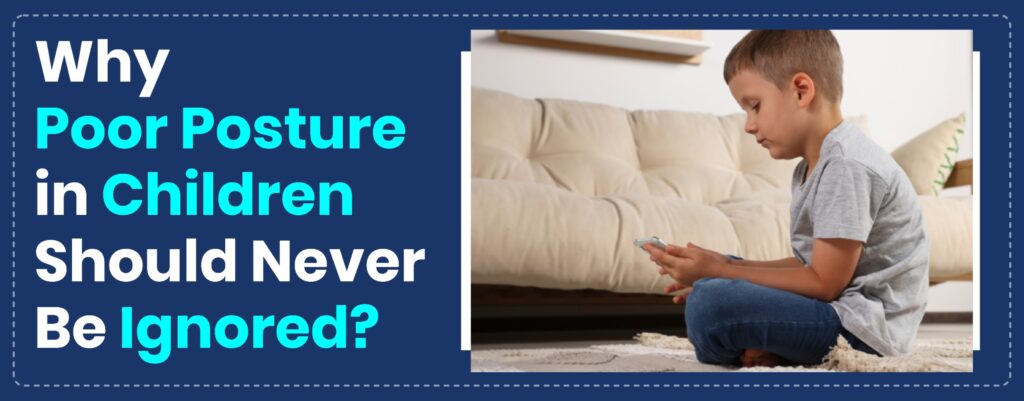
Posture refers to the way in which a child sits, stands, walks or lies down. Posture ensures that the body remains relaxed. Poor posture occurs when the body is not in the proper position for a long period. Poor posture among children is becoming very common today. Several children spend a lot of time sitting behind the table studying, with phones, tablets and computers. Due to this, their body fails to receive sufficient movement and their muscles are weakened. Poor posture is a very significant issue that should be corrected early. Correction of posture issues at such a tender age can make children stronger and healthy. Poor posture may cause pain and permanent problems to the child in the long run if not attended to. What is Poor Posture in Children? Poor posture implies inappropriate positioning of the child in terms of sitting, standing, or moving. This exerts additional strain on muscles, joints and the spine. Examples of bad posture include: There are some posture issues that are temporary behaviors. Indicatively, a child may sit improperly during short periods of studying. These are habits that can be easily corrected. Nevertheless, in cases where bad posture is practiced day in and day out over months or years, it may become a posture issue that requires action. Primary Reasons of Bad Posture among Children Bad posture is not an abrupt occurrence. It generally grows gradually through changes in habits and lifestyle in daily routine. Effects of Poor Posture on a Child’s Health Bad posture is not only about looks. It may affect the physical and psychological health of a child. Neck, Shoulder, and Back Pain Bad posture exerts additional stress on muscles and joints. Over time, this can cause: Even very young children may begin to complain of pain if posture is not taken into consideration. Muscle Fatigue and Imbalance When posture is poor: This imbalance causes the child to feel fatigued soon, even after basic activities such as sitting and writing. Less Concentration and Breathing Efficiency Poor posture may affect breathing because the chest does not expand fully. This may lead to: Children may feel restless or fatigued at school. Spinal Stress Over the Long Run if Left Unchecked If bad posture is maintained over many years: These problems can be prevented through early care. Correction of Poor Posture Poor posture can be corrected, particularly in children. Their bodies are adaptive to guidance and exercises. Role of Pediatric Physiotherapy Pediatric physiotherapy emphasizes posture, movement, and muscular balance among children. A trained physiotherapist: This professional guidance assists in safe and effective correction. MileStone PRC offers Pediatric Physiotherapy Services in Jaipur Posture Evaluation and Person-Centered Treatment Each child is different. Effective posture evaluation helps develop a plan that meets the needs of the child. Treatment may include: The goal is to improve posture gradually and painlessly. Posture Correction Exercises for Children Exercises play an important role in correcting posture. These exercises are: Regular practice helps children maintain proper posture. Ergonomic Corrections Proper posture also depends on the child’s environment. Simple changes include: These small adjustments reduce pressure on the body. The Easy Way to Correct Posture at Home with Parents Parents can contribute a lot in ensuring that children pick good posture habits. Encourage Physical Activity and Rest Children are not to sit long without any movement. Parents can: Workouts maintain muscles to be strong and active. Reduce Screen Time Posture strain is reduced by limiting the screen time. Parents can: This assists in decreasing forward head position. Proper Seating Position Graciously Children are not conscious of their posture. Parents can: Soft directions are preferable to rigid regulations. Adhere to Exercises Prescribed by the Therapist In case exercises are prescribed by a physiotherapist: Regularity is of greater significance than intensity. You might be interested in: Stages of Child Development Conclusion Poor posture in children is gaining momentum but it cannot be ignored. Comprehension of the nature of posture, the reasons behind poor posture and the consequences of poor posture will enable parents to act in time. Pain and complications can be avoided by simple exercises, improved customs and expert advice. Early-guided children also build stronger bodies, have improved concentration and healthy postures that will carry them in life. Assistance in adjusting the position of the child today results in a healthier future.
What is Vision Therapy? A Complete Guide to Vision Therapy Treatment, Exercises and Tools
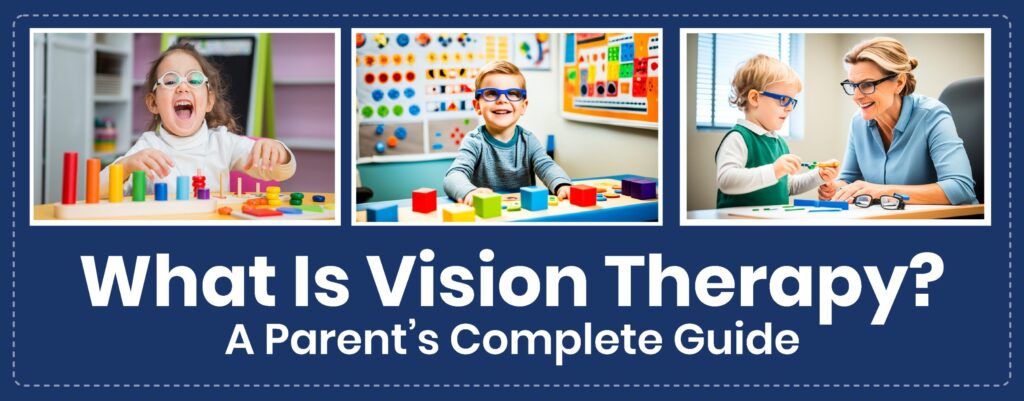
Vision is a very significant part in the way children learn, read, write, play sports and cognitively perceive the world around them. Most parents assume that in case a child can see well, then the vision is ideal. Eyesight and visual skills are different. Eyesight is merely the ability of an individual to observe objects in a distance. The visual skills on the other hand involve the movement of the eyes, the coordination of the eyes, the concentration of the eyes and the interpretation of the information that the eyes relay to the brain. Occasionally, the child might possess normal eyes, yet still experience problems with reading, writing, or focusing on a specific task as his/her visual system is not functioning efficiently. Vision therapy is a form of structured training that enters into play here to help in enhancing the functioning of the eye–brain interaction. It is non-invasive, safe and specially for children with learning problems due to visual problems. This guide by MileStone PRC providing pediatric therapy services in Jaipur will teach you about what the vision therapy is, its mechanism, the people who require the therapy, and tools and exercises involved in the treatment process. What Is Vision Therapy? Vision therapy is a complex of exercises and activities, which aid in training the brain and the eyes to work in tandem. It is commonly referred as a physical therapy except that it does not improve the body to move more effectively and the eyes are the ones that are moved and focused in a more efficient manner. Who Needs Vision Therapy? It is shocking to learn that a great number of common childhood issues are associated with visual problems. Even when a child is clever, industrious, and willing to learn, he or she can have a problem with schoolwork. It is not the question of motivation but their eye work. Vision therapy is suggested in children with: Symptoms that parents tend to observe Visual skill problems in children reveal: A vision therapy assessment can come in handy in case a child exhibits two or more of the following problems. Benefits of Vision Therapy Children have positive transformation in most aspects of their lives when visual skills are enhanced. Improvement in schoolwork is only one of the areas that parents tend to observe, but also in confidence and behaviour. These are typical advantages: Learning can be very easy and enjoyable when the visual system works in a smooth manner. How Vision Therapy Treatment Works Vision therapy normally takes place in sessions of one week with a range of between 30 to 60 minutes. A therapist or a trained optometrist takes the child through a number of exercises that are challenging and strengthening to the visual system. The general mechanism of the process The majority of children also enjoy the sessions since most of the activities can be considered games. This renders the therapy involving and simple to adhere to. Effective Vision Therapy Exercises Vision therapy involves numerous exercises which aid the eyes to acquire the skill of moving and concentrating in the right manner. The most common ones are as follows: These exercises are selected depending on the most difficult aspect of a child. Common Vision Therapy Tools Vision therapy involves numerous aids to facilitate and simplify the process of learning the visual skills. All the tools have a certain purpose. These are the tools that assist in making therapy more efficient and entertaining to the kids. How Long Does Vision Therapy Take? The duration of treatment is determined by the severity of the visual issues of the child. There are those children who develop fast, and those that require longer development. General timelines include: Consistency is the most crucial consideration. Those children who come to the regular sessions and perform their exercises at home demonstrate the most successful outcomes. Missing classes or failure to practice at home can make progress slow. Final Thoughts Vision therapy is an effective, safe and non-invasive method of enhancing the visual process that children require in learning, reading, writing and daily activities. When their visual deficiencies are treated in young age, children are confident, become more settled in school and find it easier to do what they did not find easy in the past. In case a child presents such symptoms as headaches, reading lines asymmetrically, having poor handwriting or not being able to concentrate, it is prudent to consider assessing his or her visual abilities. Thanks to proper treatment program and practice, vision therapy can change a lot in the life of a child. Read More: Autism Spectrum Disorder,
Autism Spectrum Disorder (ASD): Symptoms, Causes, and Early Support
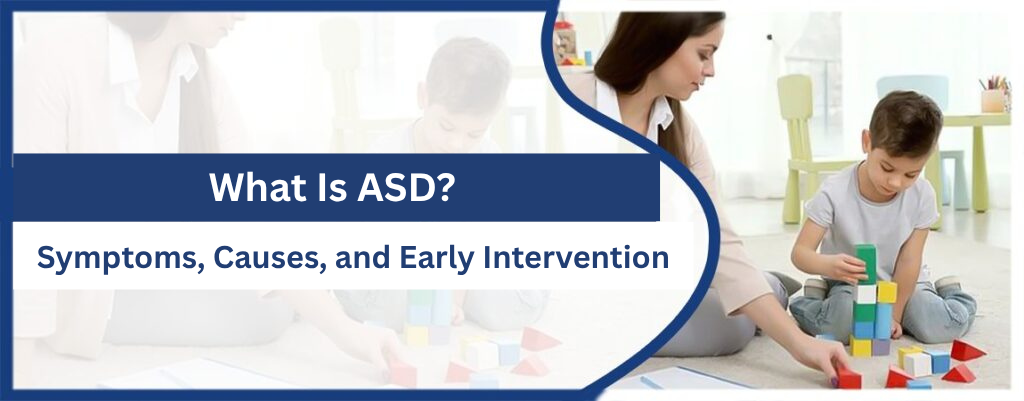
Autism Spectrum Disorder, abbreviated ASD, is a neurodevelopmental disease that can influence the process of a person’s learning, communication, and perception of the surrounding world. There are numerous individuals who seek answers to such questions as “What is autism?” and “What is the meaning of autism and ASD disorder?” because they would like to know more about this disorder. Autism is not a disease. It is just another form of brain development and functionality. This disparity impacts children during their early years, and that is why awareness and early-stage diagnosis are highly significant. Parents and teachers can provide the child with more support when they learn about autism at an early age. Today, autism is becoming familiar, and more families are becoming aware of autism. The better informed a person is about it, the earlier they can save a child and provide the appropriate care. 1. Understanding the Spectrum: How Autism Differs in Every Individual The term “spectrum” informs us that not all people have the same autism. Children with autism are all different. There are children with mild autism symptoms, and others may require additional assistance. What the spectrum means The autism spectrum disorder may appear very different in every individual. It is the reason why we speak of the spectrum as it is full of shades and gradients. For example: Different levels of autism People often talk about:• Types of autism• Levels of autism• High-functioning autism These words are used to indicate the level of support that a child can require. With some assistance, a child with mild autism may be able to learn fast. A second child might require assistance at home, school, and in everyday activities. Common traits across ASD Although each child is unique, there are certain trends that are common, e.g.• Problem following social rules.• Preferring routines• Repeating certain actions• Having a problem expressing emotions.• Sensitivity to sound, touch, or light. Knowledge of these typical patterns of autism behaviour assists the family in early observation of such signs. 2. Recognizing the Symptoms of Autism Spectrum Disorder Early detection enables the parent to assist the child earlier. When a child is very young, a lot of symptoms are exhibited. Certain parents initially observe the autism symptoms in children at the age of 1–3 years. Symptoms of autism in young children and toddlers • Speech delay: The child can begin speech later than his/her peers or use limited words.• Lack of eye contact: The child does not look at people in the same way that other children look.• Repetitive activities: These children can repeat activities such as hand flapping, spinning, or matching toys.• Failure to respond to name: This is despite being called by name repeatedly. These basic observations usually enable the parents to notice the symptoms of autism at an early stage. Behavioral patterns Autistic children also have strange behaviors, which are typical of the disorder:• They can shun the company of others and stay on their own.• They can also experience problems with interpreting others.• They can repeat some words, actions, or sounds. Such are typical signs of autistic behaviour. Sensory sensitivities Autism has children with sensory problems. This means:• Loud noise may scare them.• They might not prefer some clothes due to the feel of them.• Bright lights can be a nuisance to them.• They can be overly sensitive to touch. Communication challenges A child might have autism communication problems, which include:• Not using gestures• Using very few words• Monotonous or peculiar voice• Problems with discussions The signs do not imply that something is wrong with a child. They simply learn and speak differently. 3. Major Causes and Risk Factors of Autism The question that many parents ask themselves is why autism occurs. According to scientists, there is no cause. Autism is a result of a combination of genetic as well as environmental influences. Genetic factors Autism is a familial disorder. In cases where the child is autistic, parents or siblings can also exhibit the autistic characteristics as well. That is the reason why we refer to them as genetic causes of autism. The genes influence the brain’s development and communication. Environmental influences There are ailments that are associated with pregnancy or birth that can be a predisposing factor to autism. They are referred to as environmental factors of autism. They include:• Exposure to toxins• Pregnancy-associated viral infections• Pregnancy complications• Very low birth weight• Parents that bear children later on in life. These are risk factors of autism, but they do not determine autism. They just enhance the possibilities. Brain development It has been found out that the brains of children with autism do not develop in the same manner. The process of nerve cell connectivity may vary. These minor deviations influence knowledge acquisition, communication, and behavior. This has commonly been referred to as brain development and autism. Myths and misconceptions Autism has numerous myths:• Bad parenting does not result in autism.• It does not occur as a result of vaccines.• It is NOT a mental illness. Autism is merely an alternative method of brain functioning. 4. Diagnosis and Importance of Early Intervention A large number of children can be diagnosed at the age of 18 months up to 3 years. Early discovery assists children to learn at higher rates and also enhances communication. How autism is diagnosed Physicians resort to such instruments as behavior observation and developmental screening. Checked by professionals such as pediatricians, child psychologists, and speech therapists:• How the child communicates• How they play• How they respond to others These are the steps that assist in proper diagnosis of autism. Therapies and treatments Autism does not have a cure, although when a child is supported early in life, he or she is able to learn essential skills. Part of the useful therapies involves:• Speech therapy: Teaches children words and enhances speech and expression. It is a speech therapy prevalent among children.• Occupational therapy: Assists in the daily activities, the movement, and sensory problems. This is relevant to occupational therapy
5 Simple Physiotherapy Exercises to Improve Attention in ADHD Children

ADHD (Attention Deficit Hyperactivity Disorder) is a neurodevelopmental disorder that influences a child’s ability to pay attention, concentrate and control their body, usually making daily tasks and learning difficult. Research shows that through structured or physical movement-based exercises, children’s ability to concentrate, emotional regulation and body awareness can be improved. Consistent physiotherapy-based activities can also assist children in strengthening their motor coordination, sensory integration and self-control. Therapists provide enjoyable, play-based, dynamic, structured exercises that take into consideration the children’s preferences and needs – helping them engage in both fun and skill-building activities. The above-noted exercises can be designed to support and help to either range, sustain or increase a child’s attention span – improve gross and fine motor skills, all in an effort to increase confidence to support the child at home, at school and in the community with ADHD. Connection Between Physiotherapy and Attention Physiotherapy is important for improving attention and focus in children with ADHD. Developing attention through structured movement activities means the brain learns to store, organize and respond to sensory information, regulate emotions and be calm, with greater cognitive control. Activities that improve balance, coordination, and posture can also improve motor planning and discipline. Physiotherapy will help with sensory integration, so when children have received and experienced external information they can make meaning of it. Sensory integration will also increase a child’s overall attention and concentration and learning so we will also want to encourage physiotherapy along with occupational therapy. Overall, physiotherapy will set children up to be able to better attend to tasks, manage hyperactivity, and be more confident in participation for daily routines and connected learning experiences and in the classroom. 5 Simple Physiotherapy Exercises Physiotherapy activities for children with ADHD incorporate movement, play and focus, enhancing attention, motor skills and emotional regulation. Here are five tried and tested activities: 1. Animal Walks You can get the child to move like different animals, starting with bear walks (hands and feet), crab walks (hands and feet but facing the ceiling) and bunny hops. Benefits: Coordination, strength and body awareness while being fun. 2. Balance Board/Cushion Have the child standing on a balance board or a soft cushion for a specific time keeping their balance while doing small movements like lifting up arms or bending their knees. Benefits: Builds core strength and it requires concentration and focus to maintain their balance. 3. Wall Push Ups Get the child to place both hands on the wall and press with slow push-ups, pressing and releasing. Benefits: Provides deep pressure input to calm hyperactivity, builds upper body strength and helps promote focus. 4. Jump and Count Place numbered markers on the floor and have the child jump to each marker counting out loud. Benefits: Developing body awareness, coordination and attention while jumping and counting. 5. Tree Pose (Yoga) Guide your child to stand on one leg, placing the other foot on the inner thigh or calf, and raise hands above the head. Maintain the posture for several seconds, then switch legs. Benefit: Builds patience, focus, and balance, promoting mindfulness and concentration in a calm, controlled manner. MileStone PRC combines these exercises with speech therapy in Jaipur that can further improve listening skills, comprehension, and the ability to follow instructions, creating a holistic approach that supports both physical and cognitive development in children with ADHD. These exercises, when practiced consistently, not only enhance attention span and motor coordination but also make learning and daily activities more manageable and enjoyable for children. Structured play-based routines like these help children channel energy positively, encouraging confidence, self-discipline, and focus in a fun and engaging way. When to Start Physiotherapy for ADHD When it comes to children with Attention Deficit Hyperactivity Disorder (ADHD), the importance of early intervention cannot be understated or overlooked. When determining whether a child will benefit from physiotherapy assessment, it may be related to signs of a challenge such as posture, restlessness, difficulty following directions, or a lag in motor developmental milestones. In addition, when observing coordination concerns, trying to get the child to sit still, or if the child has difficulty completing simple, age appropriate tasks, indicates that there may be issues with motor control, sensory integration which leads to difficulties with attention and capacity for learning. The earlier physiotherapy is initiated, the earlier therapists have the opportunity to identify developmental delays, improve aspects of balance, coordination and attention, and develop exercise routines that can assist with physical and mental development. An early diagnosis helps children transition forwards with interventional therapy based on each child’s unique needs, for maximum benefit as a long-term goal. At this point, it is also advised to pursue Development Delay Treatment, which focuses on the motor and cognitive areas of a child simultaneously in physiotherapy and occupational therapy. Doing these things together would also assist with attention, self-regulation, and learning, which is important for continued experience in the academic setting and life in general. The earlier a child participates in treatment, the better head start and outcomes they will achieve with confidence in the process. Conclusion Therapists can provide opportunity for children to develop their focus, attention, coordination, and self-confidence through structured play-based activities. When physiotherapy is part of a multidisciplinary approach including occupational therapy and speech therapy, it enables improvement of motor and cognitive challenges that impacts their social and academic success. Early intervention and regular practice at home enhance the benefits of these therapies. Therapists at MileStone PRC – Pediatric Physiotherapy in Jaipur work with their patients to develop engaging, individualized programs that fit the interests, needs, and skills of each child. Please reach out to us at if you are a parent looking for professional ideas and strategies to help your child improve their focus, balance, and overall development.
How Speech Therapy Supports Communication and Confidence

One of the most vital aspects of the child development is communication. Children express their thoughts, emotions, and demands to family, teachers, and friends using words and phrases. The inability of a child to speak well or express himself may pose a problem not only in school but also in life. Delay in speech can initiate shyness, lack of self-confidence, or even frustration when others cannot comprehend him/them. It is highly significant to provide early assistance in such situations. Children are becoming able to speak, listen and communicate with other people with the help of professional guidance. As a reliable service provider in both speech therapy and pediatric physiotherapy in Jaipur, MileStone PRC has been assisting numerous children to enhance their communication skills and also improve their self-confidence. What is Speech Therapy? Speech therapy is a different form of assistance which is aimed at assisting children and adults to talk and communicate better. Parents may consider it to be guided learning in which the professional assists the child to be able to come up with clear speech, comprehend the language better and use words in expressing thoughts with confidence. The professionals in charge of these sessions are referred to as the speech-language pathologists. They learn the working of speech and language and help the children in stages to overcome the difficulties. Speech therapy encompasses some key areas which include: Simply put, speech therapy makes speaking more comfortable, understandable, and enjoyable with children. The Link Between Communication and Confidence Confidence is directly associated with good communication skills of a child. Children feel listened to and appreciated when they are able to express themselves. This increases their desire to attend school, socialize and engage in new activities. But speech issues may influence self-worth. For example: These obstacles may render children as victims of being neglected or misunderstood. With time this can even result in frustration, sadness, or behavioral change. Through speech therapy, the right direction is given in which the children will not only learn to speak better but they will also feel better about themselves in their social and learning environments. How Speech Therapy Improves Communication The sphere of speech therapy encompasses a great variety of techniques, which are created according to the individual needs of children. The primary aim is to simplify the process of communication. The methods that are very common are: Speech therapists typically make therapy interactive and use the following activities: The advantages of speech therapy include that it is personalized. In MileStone PRC, therapists assess the strengths and challenges of each child carefully then develop a plan. This will make the therapy successful, fun, and appropriately oriented to the child. Building Confidence Through Speech Therapy Speech therapy is essential in the enhancement of confidence besides enhancing communication. The little success that children can attain in therapy can be celebrated and this encourages them. Positive reinforcement – e.g., praise every time they say a new word correctly, is used to encourage them to continue trying. As treatment continues, kids start to: An illustrative case of such behavior is when a child who used to shun reading out loud in the classroom after several sessions of therapy may volunteer to read a story out loud. The other child with the problem of stuttering may begin talking with friends during playtime. Although each child is unique in these success stories, the fact remains that therapy does not only help them to speak better but also develops in them a great deal of self-belief. Once communication becomes more relaxed, the overall behavior and happiness of the child is seen as a visible change by family. The Role of Parents, Teachers, and Families The speech therapy is the most successful when parents, teachers, and the families actively follow the child. Whereas therapists do their work during the sessions, practice at home and school guarantees that consistent progress is being made. Parents can help by: The role of teachers and caregivers is also significant since they should be good listeners and provide children with a chance to talk in groups. MileStone PRC does not employ therapists who work in isolation. They lead the parents and families through the instructions of how to proceed with exercises at home with the commitment of ensuring that the children receive regular support even when they are not undergoing therapies. This type of teamwork method assists kids to get higher results within a shorter period of time. Long-Term Benefits of Speech Therapy The advantages of speech therapy do not entirely end with childhood, but continue with the future. Among the long-term benefits, there are: Investing in speech therapy early, parents will be able to guarantee their children a better future where learning and self-development will be inseparable. Conclusion The process of speech therapy does not only fix the speech, it enables children to find their voice, develop confidence, and meaningful relationships with the surrounding world. Even slight assistance at a young age can prove to be a great help hence parents must not put off assistance when they spot communication difficulties. You can find professional speech therapy in Jaipur at MileStone PRC to help your child to grow and gain confidence. You and I can make your child reach his/her fullest potential in life and communication.
Behavioral Issues in Children – How to Identify and Treat Effectively
Every child grows and develops in their own unique way, but sometimes parents notice behaviors that seem unusual, persistent, or disruptive. Occasional tantrums or defiance are normal parts of childhood, but when these behaviors interfere with a child’s learning, relationships, or daily functioning, they may signal deeper behavioral issues in children. Early identification and timely intervention are essential, as untreated behavioral challenges can affect emotional well-being, social development, and academic performance. At Milestone PRC, leading Pediatric physiotherapy clinic in Jaipur, we understand the importance of holistic child development. Our experts focus not only on physical well-being but also on supporting children who struggle with behavioral and emotional challenges. Understanding Behavioral Issues in Children Behavioral issues in children can manifest in different ways, ranging from excessive aggression, frequent temper tantrums, hyperactivity, and difficulty following instructions to anxiety, withdrawal, or problems with peer interactions. Unlike occasional misbehavior, behavioral disorders are persistent patterns that last for months or even years. Some common conditions include: While each child may show signs differently, the key to effective support lies in early recognition and professional evaluation. Signs Parents Should Look Out For Parents are often the first to notice changes in their child’s behavior. Some red flags that may indicate deeper behavioral issues include: If these patterns persist for more than six months and interfere with daily life, it’s important to seek guidance from specialists. Causes of Behavioral Issues in Children There is no single cause for behavioral issues in children. They often result from a combination of genetic, biological, environmental, and social factors. Understanding the root cause is vital to creating an effective treatment plan. Role of Early Identification Early intervention can make a world of difference in managing behavioral issues in children. When identified in the early years, children can receive therapies that help them develop coping skills, improve social interactions, and enhance emotional regulation. Parents should avoid dismissing behavioral problems as a “phase” and instead consult with professionals to assess the situation. At Milestone PRC, our team evaluates children through detailed assessments that include medical history, developmental milestones, emotional health, and social interactions. Effective Treatment for Behavioral Issues in Children Treatment for behavioral issues in children depends on the type, severity, and underlying causes of the problem. A multidisciplinary approach often brings the best results. 1. Behavioral Therapy Therapists work with children to encourage positive behaviors, reduce negative patterns, and build problem-solving skills. 2. Parental Guidance and Training Parents learn strategies to manage challenging behaviors, set boundaries, and provide consistent discipline while reinforcing good behavior. 3. Counseling and Emotional Support Counseling sessions help children express their emotions in a safe space and learn healthy coping mechanisms for stress, anger, or anxiety. 4. Physiotherapy and Occupational Therapy For children with developmental delays, sensory issues, or conditions like autism, physiotherapy and occupational therapy play an important role in improving motor skills, coordination, and self-regulation. 5. School-Based Support Collaboration with teachers ensures that children receive academic accommodations, structured environments, and social support in school. 6. Medication (in Specific Cases) In cases like ADHD or severe anxiety, doctors may recommend medication along with therapy. This is always considered carefully under professional supervision. How Milestone PRC Helps At Milestone PRC, Jaipur, we are dedicated to helping children reach their fullest potential. Our clinic combines pediatric physiotherapy with emotional and behavioral support to create holistic care plans. With years of expertise in pediatric physiotherapy and rehabilitation, we aim to provide children with not only physical but also emotional growth opportunities. When to Seek Professional Help Parents should seek immediate professional guidance if: Timely support can prevent long-term difficulties and enable children to lead healthier, happier lives. Conclusion Behavioral issues in children are more common than many parents realize, but with the right guidance and intervention, children can overcome these challenges and thrive. Recognizing the signs early, seeking expert advice, and implementing consistent strategies are the keys to effective treatment. At Milestone PRC, Jaipur, we believe in nurturing every aspect of a child’s growth—physical, emotional, and behavioral. With compassionate care and evidence-based therapies, we empower children and their families to overcome obstacles and embrace a brighter future.
