
What is Cerebral Palsy? A Complete Guide by Milestone PRC
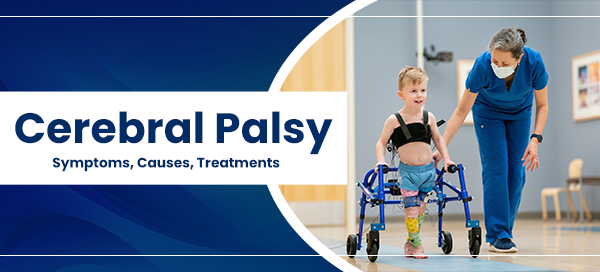
Cerebral Palsy (CP) is an enduring disability disorder disabling the person in the capacity to sustain movement, balance, and postural control. CP is an extremely common motor disorder to be diagnosed in children. Though it affects physical functioning largely, severity and prognosis may be highly unpredictable in individuals. However, it can be treated by best Pediatric physiotherapist. But, before that, we must know all about Cerebral Palsy, its cause, signs and symptoms, diagnostic process, and treatment. Here at Milestone PRC, the best Pediatric physiotherapy clinic in Jaipur provides this all details. What is Cerebral Palsy? The word “cerebral” to the brain, and “palsy” to paralysis or weakness of the body. Cerebral Palsy is a neurological disorder of disorders that develops in infancy or early childhood. It paralyses body movement and muscle coordination for life. It can make a person unable to even perform the simplest of things like walking, sitting, talking, or even holding something. Despite this, symptom and severity levels will vary among people in the absence of a case of condition. CP results from defective brain development or damage to the developing brain, usually before, during, or at birth. Cerebral Palsy is found in about 2 to 3 per 1,000 live births all over the world. Since the disease is not progressive (i.e., cannot be aggravated), it can never be cured and needs to be treated and rehabilitated again and again. Causes of Cerebral Palsy Brain impairment or damage along with normal brain growth results in Cerebral Palsy. Cause may not always be traceable but some risk factors have been established: Prenatal Causes (Prebirth) Perinatal Causes (Childbirth) Postnatal Causes (After Birth) Improvement in antenatal and perinatal care and intervention in early life reduced the incidence of CP but still CP exists, especially in developing nations. Types of Cerebral Palsy Cerebral Palsy is classified by type of movement disorder and body area affected. Classification of CP enables doctors and physical therapists to create the best treatment plan. 1. Spastic Cerebral Palsy Most common type, affecting 70–80% of all CPs. These are typical of: Subtypes are 2. Dyskinetic (Athetoid) Cerebral Palsy This type produces involuntary, uncontrolled movement. Children might develop: 3. Ataxic Cerebral Palsy Most, unsteadily balanced, and clumsy. Characteristics include: 4. Mixed Cerebral Palsy There are children who will exhibit the features of two or more types of CP. Spastic and dyskinetic is most common. Signs and Symptoms of Cerebral Palsy Symptoms of CP will usually be obvious in early infancy or early childhood. Symptoms will differ depending upon type and degree of disorder and can be extremely variable. Motor Symptoms Speech and Difficulty with Eating: Sensory and Mental Signs Infancy milestones must be tested. Abnormal or delayed motor function must be tested with the physician. Diagnosis of Cerebral Palsy Most of them will acquire Cerebral Palsy within their first two years of life, but in mild cerebral palsy, it is diagnosed very late after childhood. Phases involved in Diagnosis are as follows – Treatment Modalities of Cerebral Palsy CP cannot be treated but its impact can be controlled and child’s functioning can be maximized by treatment. Physicians, physiotherapists, and care givers restore the child. 1. Physical Therapy (PT) The Physical Therapy is most essential control of Cerebral Palsy. Physical Therapy improves: Important Elements: Physical therapy during the child-rearing years employs brain plasticity to facilitate more functional results later in life for the child. 2. Occupational Therapy (OT) Occupational Therapy is utilized to involve the child with the goal of affecting him to become more manageable daily activities such as: Benefits: OT improves active participation of children at home and school. 3. Speech and Language Therapy (SLT) The majority of children with Cerebral Palsy have in-effective speech, communication, or swallowing as a result of in-effective control of facial and throat muscles. Goals of SLT: Speech therapy augments control over drooling and salivation that has an impact on social self-perception. 4. Medications No medication for curing Cerebral Palsy but renders its condition like spasticity in muscles, pain, and convulsions tolerable. Repeat Medications Regularly monitoring all the drugs for their side effects. 5. Surgery Bone curvature, contracture, or dislocation of the hip occurs in some children suffering from Cerebral Palsy as a consequence of muscle imbalance and spasticity in the long term. Surgical Solutions are: Pre- and post-operative physiotherapy enhances Orthopedic management for a successful outcome. 6. Assistive Devices and Technology Some assistive devices enable children with Cerebral Palsy to walk, live independently, and communicate. Examples are All these devices enable a child to be independent in the performance of activities of daily living. Conclusion Cerebral Palsy is a lifelong illness and isn’t easy-going for itself, but only that amount of independence and accomplishment is available – if and when someone gets diagnosed at decent enough time and had their life in order with flair. CP kids can get on with life as just anybodys with the help of physical therapy, therapy classes, and around-the-clock intervention on the family’s part. knowledge of the condition, prompt treatment instead of delay, and adherence to a full course of therapy can literally be a matter of success or failure in a Cerebral Palsy child. FAQs Is Cerebral Palsy a disease? No, CP is not disease or state of being diseased. It is an irremediable, non-progressive neurologic impairment, i.e., brain damage can deteriorate with time but symptoms change with age. Is Cerebral Palsy curable? Now Cerebral Palsy is not treatable. However, with appropriate medical intervention, early treatment, and physiotherapy, the patient can have phenomenal functional recovery and quality of life. What are the earliest warning signs of a child with Cerebral Palsy? Some of the earliest signs are: Parents will visit a physician to find out whether these are present. Is Cerebral Palsy inherited? The majority of cases of Cerebral Palsy are not typically inherited. Very rarely genetic brain development flaws in others create these. Can a child with Cerebral Palsy have a normal life? Yes, CP children may become productive and successful if
