
Late Talking in Children: When Is It Normal and When Is It Not?
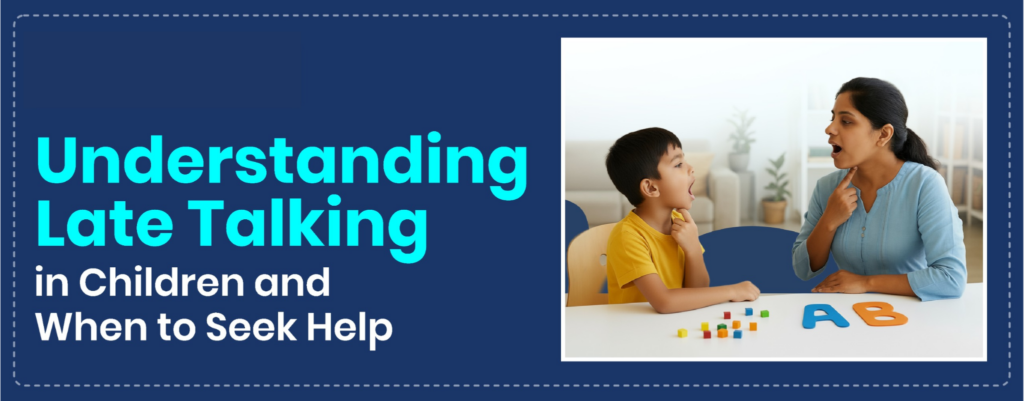
It is the concern of many parents that the child is not talking as much as other children of the same age. Such questions are quite common as, why is my child not talking yet? or is something wrong? Delays in talking may be very disorienting and stressful to the child particularly when the family members or friends begin to compare. The fact is that each child develops and studies differently. Other children can talk early in life, but some of them can take time. Late talking is quite normal in most instances. In other cases, it might require some consideration. Knowing the distinction also enables the parents to remain steady and make the correct action at the right moment. Late Talking in Children: When Is It Normal and When Is It Not? Late talking is when a child is late in beginning to talk in comparison to the majority of children of this age. This does not necessarily imply the existence of a severe issue. A child can be termed as a late talker because: • They have excellent command of language but they speak less than the age of the expected number of words. Their speech development is retarded, yet other abilities such as play and movement are intact. One should understand the difference between speech disorder and late talking. Late talking simply refers to delay in speaking but a speech disorder can be having difficulties in getting the language and in constructing sounds or in use of words in a proper manner. Each child is developed at his or her pace. Similar to walking or eating habits, speech also develops in a different way to every child. Lateness does not necessarily imply that something is wrong. Typical Speech Milestones by Age Speech milestones provide an approximate representation of the many things that many children are capable of doing at various ages. They are not rules to be followed strictly. • By 12 monthso Makes sounds like “ba,” “da,” or “ma”o Babbles and uses gestures such as pointing or waving.o Reacts to known voices. • By 18 monthso Speaks few simple words such as mamma, dada, or ball.o Tries to copy soundso Interprets single syllable words such as no and come. • By 2 yearso Combines two words such as more milk or mom come.o Vocabulary develops gradually and progressively.o Able to follow straightforward instructions. • By 3 yearso Speaks in short sentenceso Family members can understand speech better.o Asks simple questions The absence of one of the milestones does not imply that a child has an issue. The children tend to catch up themselves. Milestone PRC provide Speech Therapy in Jaipur. When Late Talking Can Be Normal Late talking in most instances is normal. There are those children who put more emphasis on other skills and later speak. Late talking may be normal if:Specifically, there is a family history of late talkers. • The child performs well in gestures, pointing and facial expression. Even when the child speaks very little, he/she understands the instructions. • Socially, everything is normal: social interaction and play. There are no movement delays, delays in thinking, or delay in learning. There are children who are mere spectators. They do not talk much and only listen before they speak. These children also tend to surprise the parents because one day they suddenly start using a lot of words simultaneously. When Late Talking May Be a Concern In some cases, the problem of late talking requires more attention. This is not panicking, but it is to be on the alert. A concern may be late talking in case: • The child fails to respond to his/her name. There is minimal eye contact or interaction. • The child has problems with comprehending simple instructions. No improvement in speech after several months. The child becomes extremely frustrated or tantrums frequently due to the inability to express himself/herself. It is significant to use a soft level of awareness. Such signs are not to frighten the parents but to make them aware about the moment when additional assistance may be provided. Common Causes of Late Talking in Children Late talking may occur because of numerous reasons, and in a very rare case, this is because of only one reason. • Hearing issues Mild hearing issues can influence the learning of words in children. • Less exposure to language Children require repetition of the words to learn. Talking around them can be slowed down by less talking. • Excessive screen time The screens do not substitute the face-to-face communication. Excessive use of the screen may decrease the time of talking. • Developmental delays There are children who acquire such skills as speech slower than others do. • Verbal motor or sensory problems Other children are more difficult to control the movements of the mouth or the processing of sounds. These reasons are not the fault of some one. The knowledge of them will enable parents to react with empathy rather than anxiety. What Parents Can Do at Home The role that parents play is very crucial in assisting children to develop speech. Even the little things one does on a daily basis can go a long way. • Keep on talking to your child a lot about simple things you are doing. • Read story books daily, although the child may not talk. • Sing simple songs and rhymes • Cut back on the time spent on screens and spending more face-to-face time. • Promote taking a turn in communication, even in sounds / gestures. The avoidance of pressure, coercion of words, and comparison with other children is advisable. • Make language part of the day-to-day activities such as meals, bathes, and play. Children learn in a secure, relaxed and motivated state. When to seek professional help? Waiting is not the most optimal option at times. Children can learn easily through early support. Parents must take professional advice in case:• By 18-24 months, there are minimal or no
Autism Spectrum Disorder (ASD): Symptoms, Causes, and Early Support
Autism Spectrum Disorder, abbreviated ASD, is a neurodevelopmental disease that can influence the process of a person’s learning, communication, and perception of the surrounding world. There are numerous individuals who seek answers to such questions as “What is autism?” and “What is the meaning of autism and ASD disorder?” because they would like to know more about this disorder. Autism is not a disease. It is just another form of brain development and functionality. This disparity impacts children during their early years, and that is why awareness and early-stage diagnosis are highly significant. Parents and teachers can provide the child with more support when they learn about autism at an early age. Today, autism is becoming familiar, and more families are becoming aware of autism. The better informed a person is about it, the earlier they can save a child and provide the appropriate care. 1. Understanding the Spectrum: How Autism Differs in Every Individual The term “spectrum” informs us that not all people have the same autism. Children with autism are all different. There are children with mild autism symptoms, and others may require additional assistance. What the spectrum means The autism spectrum disorder may appear very different in every individual. It is the reason why we speak of the spectrum as it is full of shades and gradients. For example: Different levels of autism People often talk about:• Types of autism• Levels of autism• High-functioning autism These words are used to indicate the level of support that a child can require. With some assistance, a child with mild autism may be able to learn fast. A second child might require assistance at home, school, and in everyday activities. Common traits across ASD Although each child is unique, there are certain trends that are common, e.g.• Problem following social rules.• Preferring routines• Repeating certain actions• Having a problem expressing emotions.• Sensitivity to sound, touch, or light. Knowledge of these typical patterns of autism behaviour assists the family in early observation of such signs. 2. Recognizing the Symptoms of Autism Spectrum Disorder Early detection enables the parent to assist the child earlier. When a child is very young, a lot of symptoms are exhibited. Certain parents initially observe the autism symptoms in children at the age of 1–3 years. Symptoms of autism in young children and toddlers • Speech delay: The child can begin speech later than his/her peers or use limited words.• Lack of eye contact: The child does not look at people in the same way that other children look.• Repetitive activities: These children can repeat activities such as hand flapping, spinning, or matching toys.• Failure to respond to name: This is despite being called by name repeatedly. These basic observations usually enable the parents to notice the symptoms of autism at an early stage. Behavioral patterns Autistic children also have strange behaviors, which are typical of the disorder:• They can shun the company of others and stay on their own.• They can also experience problems with interpreting others.• They can repeat some words, actions, or sounds. Such are typical signs of autistic behaviour. Sensory sensitivities Autism has children with sensory problems. This means:• Loud noise may scare them.• They might not prefer some clothes due to the feel of them.• Bright lights can be a nuisance to them.• They can be overly sensitive to touch. Communication challenges A child might have autism communication problems, which include:• Not using gestures• Using very few words• Monotonous or peculiar voice• Problems with discussions The signs do not imply that something is wrong with a child. They simply learn and speak differently. 3. Major Causes and Risk Factors of Autism The question that many parents ask themselves is why autism occurs. According to scientists, there is no cause. Autism is a result of a combination of genetic as well as environmental influences. Genetic factors Autism is a familial disorder. In cases where the child is autistic, parents or siblings can also exhibit the autistic characteristics as well. That is the reason why we refer to them as genetic causes of autism. The genes influence the brain’s development and communication. Environmental influences There are ailments that are associated with pregnancy or birth that can be a predisposing factor to autism. They are referred to as environmental factors of autism. They include:• Exposure to toxins• Pregnancy-associated viral infections• Pregnancy complications• Very low birth weight• Parents that bear children later on in life. These are risk factors of autism, but they do not determine autism. They just enhance the possibilities. Brain development It has been found out that the brains of children with autism do not develop in the same manner. The process of nerve cell connectivity may vary. These minor deviations influence knowledge acquisition, communication, and behavior. This has commonly been referred to as brain development and autism. Myths and misconceptions Autism has numerous myths:• Bad parenting does not result in autism.• It does not occur as a result of vaccines.• It is NOT a mental illness. Autism is merely an alternative method of brain functioning. 4. Diagnosis and Importance of Early Intervention A large number of children can be diagnosed at the age of 18 months up to 3 years. Early discovery assists children to learn at higher rates and also enhances communication. How autism is diagnosed Physicians resort to such instruments as behavior observation and developmental screening. Checked by professionals such as pediatricians, child psychologists, and speech therapists:• How the child communicates• How they play• How they respond to others These are the steps that assist in proper diagnosis of autism. Therapies and treatments Autism does not have a cure, although when a child is supported early in life, he or she is able to learn essential skills. Part of the useful therapies involves:• Speech therapy: Teaches children words and enhances speech and expression. It is a speech therapy prevalent among children.• Occupational therapy: Assists in the daily activities, the movement, and sensory problems. This is relevant to occupational therapy
5 Simple Physiotherapy Exercises to Improve Attention in ADHD Children

ADHD (Attention Deficit Hyperactivity Disorder) is a neurodevelopmental disorder that influences a child’s ability to pay attention, concentrate and control their body, usually making daily tasks and learning difficult. Research shows that through structured or physical movement-based exercises, children’s ability to concentrate, emotional regulation and body awareness can be improved. Consistent physiotherapy-based activities can also assist children in strengthening their motor coordination, sensory integration and self-control. Therapists provide enjoyable, play-based, dynamic, structured exercises that take into consideration the children’s preferences and needs – helping them engage in both fun and skill-building activities. The above-noted exercises can be designed to support and help to either range, sustain or increase a child’s attention span – improve gross and fine motor skills, all in an effort to increase confidence to support the child at home, at school and in the community with ADHD. Connection Between Physiotherapy and Attention Physiotherapy is important for improving attention and focus in children with ADHD. Developing attention through structured movement activities means the brain learns to store, organize and respond to sensory information, regulate emotions and be calm, with greater cognitive control. Activities that improve balance, coordination, and posture can also improve motor planning and discipline. Physiotherapy will help with sensory integration, so when children have received and experienced external information they can make meaning of it. Sensory integration will also increase a child’s overall attention and concentration and learning so we will also want to encourage physiotherapy along with occupational therapy. Overall, physiotherapy will set children up to be able to better attend to tasks, manage hyperactivity, and be more confident in participation for daily routines and connected learning experiences and in the classroom. 5 Simple Physiotherapy Exercises Physiotherapy activities for children with ADHD incorporate movement, play and focus, enhancing attention, motor skills and emotional regulation. Here are five tried and tested activities: 1. Animal Walks You can get the child to move like different animals, starting with bear walks (hands and feet), crab walks (hands and feet but facing the ceiling) and bunny hops. Benefits: Coordination, strength and body awareness while being fun. 2. Balance Board/Cushion Have the child standing on a balance board or a soft cushion for a specific time keeping their balance while doing small movements like lifting up arms or bending their knees. Benefits: Builds core strength and it requires concentration and focus to maintain their balance. 3. Wall Push Ups Get the child to place both hands on the wall and press with slow push-ups, pressing and releasing. Benefits: Provides deep pressure input to calm hyperactivity, builds upper body strength and helps promote focus. 4. Jump and Count Place numbered markers on the floor and have the child jump to each marker counting out loud. Benefits: Developing body awareness, coordination and attention while jumping and counting. 5. Tree Pose (Yoga) Guide your child to stand on one leg, placing the other foot on the inner thigh or calf, and raise hands above the head. Maintain the posture for several seconds, then switch legs. Benefit: Builds patience, focus, and balance, promoting mindfulness and concentration in a calm, controlled manner. MileStone PRC combines these exercises with speech therapy in Jaipur that can further improve listening skills, comprehension, and the ability to follow instructions, creating a holistic approach that supports both physical and cognitive development in children with ADHD. These exercises, when practiced consistently, not only enhance attention span and motor coordination but also make learning and daily activities more manageable and enjoyable for children. Structured play-based routines like these help children channel energy positively, encouraging confidence, self-discipline, and focus in a fun and engaging way. When to Start Physiotherapy for ADHD When it comes to children with Attention Deficit Hyperactivity Disorder (ADHD), the importance of early intervention cannot be understated or overlooked. When determining whether a child will benefit from physiotherapy assessment, it may be related to signs of a challenge such as posture, restlessness, difficulty following directions, or a lag in motor developmental milestones. In addition, when observing coordination concerns, trying to get the child to sit still, or if the child has difficulty completing simple, age appropriate tasks, indicates that there may be issues with motor control, sensory integration which leads to difficulties with attention and capacity for learning. The earlier physiotherapy is initiated, the earlier therapists have the opportunity to identify developmental delays, improve aspects of balance, coordination and attention, and develop exercise routines that can assist with physical and mental development. An early diagnosis helps children transition forwards with interventional therapy based on each child’s unique needs, for maximum benefit as a long-term goal. At this point, it is also advised to pursue Development Delay Treatment, which focuses on the motor and cognitive areas of a child simultaneously in physiotherapy and occupational therapy. Doing these things together would also assist with attention, self-regulation, and learning, which is important for continued experience in the academic setting and life in general. The earlier a child participates in treatment, the better head start and outcomes they will achieve with confidence in the process. Conclusion Therapists can provide opportunity for children to develop their focus, attention, coordination, and self-confidence through structured play-based activities. When physiotherapy is part of a multidisciplinary approach including occupational therapy and speech therapy, it enables improvement of motor and cognitive challenges that impacts their social and academic success. Early intervention and regular practice at home enhance the benefits of these therapies. Therapists at MileStone PRC – Pediatric Physiotherapy in Jaipur work with their patients to develop engaging, individualized programs that fit the interests, needs, and skills of each child. Please reach out to us at if you are a parent looking for professional ideas and strategies to help your child improve their focus, balance, and overall development.
Behavioral Issues in Children – How to Identify and Treat Effectively
Every child grows and develops in their own unique way, but sometimes parents notice behaviors that seem unusual, persistent, or disruptive. Occasional tantrums or defiance are normal parts of childhood, but when these behaviors interfere with a child’s learning, relationships, or daily functioning, they may signal deeper behavioral issues in children. Early identification and timely intervention are essential, as untreated behavioral challenges can affect emotional well-being, social development, and academic performance. At Milestone PRC, leading Pediatric physiotherapy clinic in Jaipur, we understand the importance of holistic child development. Our experts focus not only on physical well-being but also on supporting children who struggle with behavioral and emotional challenges. Understanding Behavioral Issues in Children Behavioral issues in children can manifest in different ways, ranging from excessive aggression, frequent temper tantrums, hyperactivity, and difficulty following instructions to anxiety, withdrawal, or problems with peer interactions. Unlike occasional misbehavior, behavioral disorders are persistent patterns that last for months or even years. Some common conditions include: While each child may show signs differently, the key to effective support lies in early recognition and professional evaluation. Signs Parents Should Look Out For Parents are often the first to notice changes in their child’s behavior. Some red flags that may indicate deeper behavioral issues include: If these patterns persist for more than six months and interfere with daily life, it’s important to seek guidance from specialists. Causes of Behavioral Issues in Children There is no single cause for behavioral issues in children. They often result from a combination of genetic, biological, environmental, and social factors. Understanding the root cause is vital to creating an effective treatment plan. Role of Early Identification Early intervention can make a world of difference in managing behavioral issues in children. When identified in the early years, children can receive therapies that help them develop coping skills, improve social interactions, and enhance emotional regulation. Parents should avoid dismissing behavioral problems as a “phase” and instead consult with professionals to assess the situation. At Milestone PRC, our team evaluates children through detailed assessments that include medical history, developmental milestones, emotional health, and social interactions. Effective Treatment for Behavioral Issues in Children Treatment for behavioral issues in children depends on the type, severity, and underlying causes of the problem. A multidisciplinary approach often brings the best results. 1. Behavioral Therapy Therapists work with children to encourage positive behaviors, reduce negative patterns, and build problem-solving skills. 2. Parental Guidance and Training Parents learn strategies to manage challenging behaviors, set boundaries, and provide consistent discipline while reinforcing good behavior. 3. Counseling and Emotional Support Counseling sessions help children express their emotions in a safe space and learn healthy coping mechanisms for stress, anger, or anxiety. 4. Physiotherapy and Occupational Therapy For children with developmental delays, sensory issues, or conditions like autism, physiotherapy and occupational therapy play an important role in improving motor skills, coordination, and self-regulation. 5. School-Based Support Collaboration with teachers ensures that children receive academic accommodations, structured environments, and social support in school. 6. Medication (in Specific Cases) In cases like ADHD or severe anxiety, doctors may recommend medication along with therapy. This is always considered carefully under professional supervision. How Milestone PRC Helps At Milestone PRC, Jaipur, we are dedicated to helping children reach their fullest potential. Our clinic combines pediatric physiotherapy with emotional and behavioral support to create holistic care plans. With years of expertise in pediatric physiotherapy and rehabilitation, we aim to provide children with not only physical but also emotional growth opportunities. When to Seek Professional Help Parents should seek immediate professional guidance if: Timely support can prevent long-term difficulties and enable children to lead healthier, happier lives. Conclusion Behavioral issues in children are more common than many parents realize, but with the right guidance and intervention, children can overcome these challenges and thrive. Recognizing the signs early, seeking expert advice, and implementing consistent strategies are the keys to effective treatment. At Milestone PRC, Jaipur, we believe in nurturing every aspect of a child’s growth—physical, emotional, and behavioral. With compassionate care and evidence-based therapies, we empower children and their families to overcome obstacles and embrace a brighter future.
How Occupational Therapy Help in Autism Spectrum Disorder
Children with Autism Spectrum Disorder (ASD) often experience challenges in communication, social interaction, sensory processing, and daily activities. These developmental differences can impact their ability to participate in everyday life at home, school, and in the community. That’s where Occupational Therapy (OT) steps in as a powerful support system. Occupational Therapy for Autism Spectrum Disorder (ASD) is very helpful. At Milestone PRC, a trusted center for child development therapy in Jaipur, Occupational Therapy plays a vital role in helping children with autism reach their full potential. What is Occupational Therapy? Occupational Therapy focuses on helping individuals achieve independence in all aspects of life by improving physical, cognitive, sensory, and motor skills. For children with ASD, OT provides structured and personalized interventions that make daily routines manageable and enjoyable. Why Children with Autism Need Occupational Therapy Children with autism may struggle with: Occupational Therapy addresses these challenges through tailored strategies that build the child’s ability to function more effectively. Key Areas Occupational Therapy Focuses On 1. Sensory Integration Children with autism often experience Sensory Processing Disorders, where they may be over- or under-responsive to stimuli like touch, sound, or movement. Occupational therapists use sensory integration techniques to help regulate these responses. At Milestone PRC, therapists use sensory gyms, tactile materials, and calming techniques to reduce sensory overload, increase attention span, improve body awareness. 2. Fine and Gross Motor Skills Development OT helps improve: Children with autism often benefit from Developmental Delay Balancing Exercises, enhancing coordination and muscle strength needed for everyday tasks. 3. Daily Living Skills Occupational Therapy teaches essential life skills that many children with autism struggle with, including brushing teeth, using utensils, toileting, dressing independently This focus on self-care and independence is vital for long-term development and confidence. 4. Social and Play Skills Play is a foundational part of learning for children. OT sessions include structured play activities that foster taking turns, eye contact, cooperative play, understanding social cues. Therapists at Milestone PRC design these activities based on the Stages of Child Development and tailor them to the child’s cognitive and social level. 5. Behavioral and Emotional Regulation Through Occupational Therapy, children learn to: Role of Movement and Physical Activity in Child Development is a key principle at Milestone PRC, promoting emotional balance and focus through physical engagement. Customized Intervention Plans at Milestone PRC Every child on the autism spectrum is unique. That’s why Milestone PRC provides: This holistic approach ensures each child receives the most effective support tailored to their needs. How Parents Can Support the OT Process Parents are integral to therapy success. Here’s how they can help: Milestone PRC works closely with families, making sure the therapy experience is collaborative and empowering. The Impact of Early Occupational Therapy Intervention Starting OT early can significantly enhance a child’s ability to function independently, social participation, academic performance, emotional resilience. Early Occupational Therapy interventions can lay the foundation for a more fulfilling life for children with autism. By addressing delays and difficulties early, children are better equipped to integrate into school and society with confidence. Why Choose Milestone PRC? As a leading pediatric physiotherapy clinic in Jaipur, Milestone PRC is recognized for its: Whether your child is newly diagnosed or already receiving support, Milestone PRC ensures comprehensive therapy solutions tailored to your child’s specific strengths and challenges. Conclusion Occupational Therapy can be a game-changer for children with Autism Spectrum Disorder. It empowers them to navigate the world with greater independence, confidence, and happiness. At Milestone PRC, we’re committed to walking this journey with you, providing expert care and compassionate support every step of the way.
Advantages of Physiotherapy in Children at an Early Age
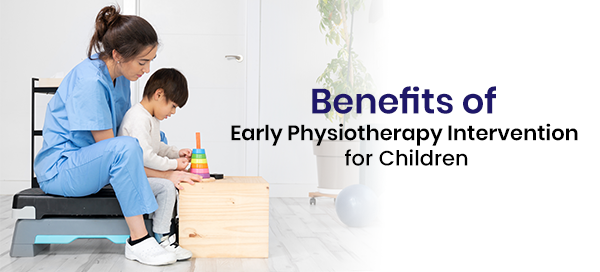
You, as a parent, would always want your child to develop and enhance in the best possible manner. Proper development is one such aspect, and part of it is curing any physical condition at an early age. Early physiotherapy intervention is absolutely important in such a case, especially if the topic of the same is rehabilitation of a motor disorder, developmental delay, or trauma. Early physiotherapy intervention will absolutely change the physical development, health, and general well-being of the child. Here we are going to discuss the advantage of Early physiotherapy intervention in children, especially at MilestonePRC Pediatric Physiotherapy Clinic Jaipur and how the early intervention will give a new turn in the life of your child. What is Pediatric Physiotherapy? Pediatric physiotherapy is a special type of physiotherapy to treat physically for issues in infants up to the stage of childhood. It is employed to give the child movement and the energy for posture, balance, and coordination. Training is offered to the pediatric physiotherapist in rehabilitating children with disorders of different types, like neurological, musculoskeletal, and developmental impairment. They are assisted with gait pattern training such as crawling, walking, and running through professional therapy and methods. Early Physiotherapy Intervention becomes crucial in order to ensure that these stages of child development take place at the right time. Book a Free Consultation and take the first step in helping your child in early development. Why Is Early Physiotherapy Intervention Necessary? The physical development of the child is complex and rapid. They grow rapidly in the early years of their lives as far as motor skill, coordination, and power are concerned. Early Physiotherapy Intervention is needed because it will identify and correct all the physical problems early, avoid long-term complications, and establish the problems of delayed motor function, cerebral palsy, scoliosis, and postural imbalance before it prevents a child from performing daily activities and playing with friends. Advantages of Early Physiotherapy Intervention to Children There are various benefits of early physiotherapy intervention for children. You can check some benefits below. 1. Easy Acquisition of Motor Skills Kids are also developing quickly in their motor skills when they are children. Early Physiotherapy Intervention is the fact that your child will reach the motor milestones on time, such as crawling, walking, and jumping. If your child is not reaching any of them, then a pediatric physiotherapist can create a development delay balancing exercise program of the affected muscle groups and strengthening the weak areas. Prevention such as this will ensure that your child acquires coordination and balance so that they can perform other things in the future. For example, delayed motor development children, can be assisted by Early Physiotherapy Intervention that will increase the muscle strength, flexibility, and joint mobility and thus walk, run, and play with ease. If your child is facing problems in development, then don’t Wait! Schedule an Appointment and Support Your Child’s Development Today! 2. Prevention of Long-Term Physical Problems The largest advantage of Early Physiotherapy Intervention is that it will avoid future physical disability. Cerebral palsy, developmental disorder, or delay can be greatly assisted through Neurodevelopment therapy if the children are provided with physiotherapy at an early phase of their lives. Moreover, Early Physiotherapy Intervention involves the management of the condition early enough before the complication of the condition has arisen, and the children are therefore spared from having to incur subsequent complications such as joint deformity, abnormal tone, or inappropriate posture, which are hard to manage in later life. For instance, kids with scoliosis (spinal curvature) are treated with Early Physiotherapy Intervention exercises to correct their posture and hence prevent abnormal curvature and pain. 3. Posture and Balance Correction Posture is a physical development characteristic. Bad posture children have the potential to develop musculoskeletal diseases, pain, and be physically handicapped to participate in sport and physical exercise as adults. Posture correction therapy, enhances balance, strength, and abdominals. They prevent chronic back and neck pain and gain confidence in movement in childhood. Good posture is the pinnacle of general well-being, and Early Physiotherapy Intervention positions the child in good posture early in life and thus preempts lifetime chronic pain. Reach out to our team at MilestonePRC to discuss how early physiotherapy can support your child’s growth. Contact Us Now! 4. Greater Strength and Flexibility Muscle or joint stiffness in children is either caused by a neurological condition, an athletic trauma, or an infantile developmental disorder. Early Physiotherapy Intervention consists of targeted stretching, strengthening, and mobilizing the child in an effort to restore flexibility and strength. Early intervention programs for the children ensure that such complications are dealt with before they turn into chronic diseases. For instance, if the child has undercontractures or is walking, then the physiotherapists will enable him/her with more movement joints and musculature length so as to contribute towards improved movement patterns. 5. Improved Emotional and Social Development Physical disability may lead to frustration and low self-esteem in children. This may result in emotional issues, i.e., anxiety or avoidance behavior. Early Physiotherapy Intervention, early adjustment of physical issues, children become more efficient in physical activity, and their confidence level also grows, as does their emotional status. When children have a chance to play freely with other children, then their social ability also rises. For instance, a child who cannot cope with school play or play activity will feel behind. Early Physiotherapy Intervention can help them to become stronger and more coordinated and help them to play and get on with others more easily. At MilestonePRC, we specialize in treating children with tailored physiotherapy plans. Schedule your appointment today and take the first step toward enhancing your child’s physical health and milestones. 6. Better Coordination and Motor Planning In impairment of coordination in children, they are unable to undertake everyday activities, such as dressing up, writing, or cycling. Early Physiotherapy Intervention enhances planning and execution of movement in them. With the performance of some of the exercises, body movement coordination is provided to the child,
Role of Movement and Physical Activity in Child Development
Physical activity and movement are needed in order for children to grow. Movement during childhood and adolescence assists with motor skill, thinking skill, social skill, and overall well-being development. The amount of physical activity that is needed varies with age in children, and being in a position to be able to get them to do the right kind of movement at the right time can allow it to be possible to have a beneficial effect on development. In the next section, we will describe the effects of physical activity on all aspects of a child’s development and how parents, teachers, and carers can support children with quality movement activity. What is Physical Activity for Children? Physical activity is any energy-requiring movement in children that can be sports or free play. Walking, running, jumping, climbing, playing, and dancing are the physical activities for a child. Physical activity is required for healthy growth, adapting to growth, and learning, with the exception of a very few skills. It encompasses: Role of Physical Activity in Early Childhood Children are just naturally moving; they will crawl, walk, run, or jump. They’re not pure exercise movements; they will need to learn foundational motor skills. Physical activity early in childhood is good for: How Much Time Should Children Spend on Physical Activity? The physical intensity of the exercise will vary based on the child developmental stage. However, there are some common guidelines of the health professionals as follows: At Milestone PRC, the finest Pediatric Physiotherapy Clinic in Jaipur, we will assist you with inputs that will assist the children in learning good habits of exercise. Advantages of Physical Activity in Child Development Physical activity is healthy for children in numerous ways. Not only do they improve their physical well-being, but also emotional, mental, and social growth. Physical Advantages to Health Mental Benefits Social and Emotional Benefits Motor Skill Development Learn more movement-enabling strategies to apply in your child’s life at Milestone PRC. Book an Appointment Today!! Physical Activity Encouragement Strategies Sometimes it is difficult to get children moving, particularly in today’s age of new technology. Parenting issues aside, however, carers, parents, and teachers all have their own methods in which they can foster an appreciation of movement: Role of Movement in Cognitive Development Physical training is followed by brain development. Body movement has been found to be an activator for the motor cortex of a child and is utilized to: Let us help you with resources, counsel, and professional opinion to add physical activity as a healthy, enjoyable regular element of your child’s life! Contact Us Today!! Physical Activity and Children’s Emotional Growth Physical activity and movement can pay astounding emotional dividends for a child. Long-Term Consequences of Movement on Life-Time Health Exercise benefits don’t only relate to children. Regular movement brings about lifelong health habits and: Conclusion Physical exercise is not a choice for having a healthy lifestyle; physical exercise is a natural part of children’s growth and development. Being active as a child is equal to being physically, mentally, emotionally, and socially mature growing up. Parents, providers, and teachers can do nothing but take good care and encourage physical activity by modeling and putting exercise into the fun, daily routine of daily life. As children’s brain and physical health grow and develop with their age, habits like physical activity and good learning will impact their overall well-being for years to come. By nurturing a love for movement, at Milestone PRC, we help in building a foundation for a healthy, active, and fulfilling life. Do you want to know more about how physical activity helps in child development? Visit today at Jaipur’s Milestone PRC and get to interact with professional advisors, pick up useful tips, and get personalized solutions for the all-round development of your child’s life and health.
7 Stages of Child Development and Growth
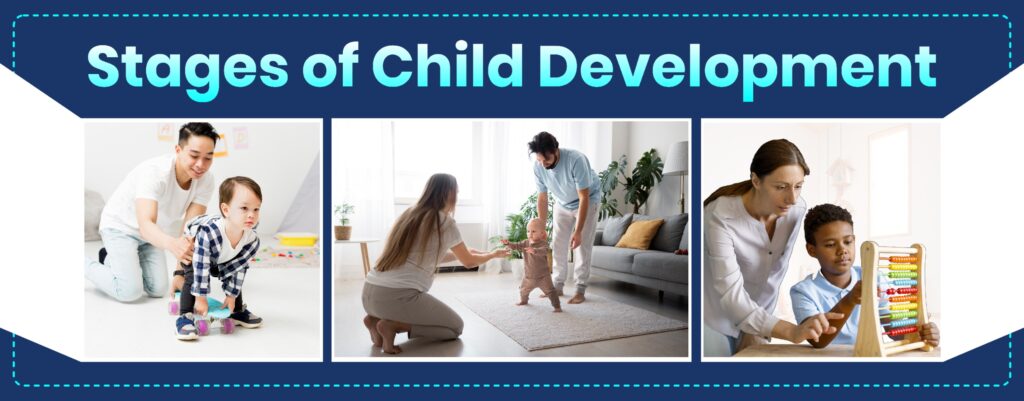
Do you understand what child development is, and what are the stages of child development? Well, every child is singular in terms of ability, and they require care and nurturing to develop properly. It is therefore the initial responsibility of parents to know what child development is exactly. The first step a child takes is to create an environment from which his or her social as well as emotional and educational needs can be met. These kids should find their way to a supportive, safe environment and have a happy time with their families playing, reading, singing, and talking. Good feeding, sleep, and exercise are also important for children’s development. The most notable factor that some growing kids don’t do as they should is the absence of the necessary nutrition. However, the issue should now be clear since we have already identified it. Because the correct nurturing of a child is the most important and primary phase of their development. Let’s delve into seven stages of child development and growth and point out the role of Milestone PRC in supporting the developmental capacities of children. Stages of Child Development These are the seven stages of child development if someone wants to have a growing kid. 1st Stage: Physical Development Physical development is the first and one of the important stages of child development. The growth and maturation of the different parts of the body and the improvement of the brain’s functions during early childhood are what physical development is about. Keep in mind that the child will continue to grow at a constant and steady pace for the remaining years of his or her adolescence. You should be aware that the sport is the best way for them to improve their physical development. 2nd Stage: Fine Motor Skills Development Skilful manipulation stage of child development is the stage where we measure hands and fingers as fine motor skills development. As a child master’s hand and finger movements such as gripping, pressing, holding, and the pincer grip, the muscles are developed. The self-care and simple daily tasks that a child successfully performs using these skills assist the child in building self-esteem and confidence. Check these 8 effective ways to enhance your child’s fine motor skills. 3rd Stage: Gross Motor Skills Development Gross motor skills are the ones that make whole-body movement required to involve large body muscles in everyday activities, such as walking and running, jumping, and sitting upright. Tactile abilities are a part of daily functions. To put it simply, a child does not feel guilty when he can maintain a proper posture on the tabletop, and that is the first step towards academic learning. Their proper position securely finishes their academic learning. 4th Stage: Cognitive Development Cognitive development is an essential part of brain development. It is the important stage of child development, mainly brain, i.e., how they think, explore, and deal with problems. In other words, it is the process of skill, knowledge, attitude, and problem-solving developments that help children to think about their surroundings and get the ideas of reality. Being a parent, one should be able to encourage the child to embark on this developmental journey from birth. Ensure to lay a strong foundation for the child’s educational and future life through the participation of the parent. For instance, studies indicate that children who have the ability to differentiate distinct sounds at six months of age outperform other children in developing the necessary skills needed to learn between four and five years of age. You are supposed to comprehensively engage in positive daily activities with your child to boost their cognitive development. Example includes: 5th Stage: Communication Development Communication development is learning to name and express one’s thoughts and feelings. Small children use a number of communication skills, which they use to communicate with others. Significantly, these include talking, dancing, singing, and visual arts expression. The production of a widely used language among children would be a step in the right direction in terms of enhancing their interpersonal communication. Below are some of the methods to improve communication skills and enhance your child development. 6th Stage: Speech and Language Development Language development is the essential stage of child development in the speaking world. It is the step of your child to being able to communicate with others. Moreover, it also affects their behavior and the way they interact with others. A child’s capacity to communicate clearly, make sense of others, process speech sounds, convey ideas, and engage others is the essential component of their development. Therefore, the improvement requires them to devote attention to the communication. Through speech therapy in Jaipur provided by Milestone PRC, your child can communicate clearly. 7th Stage: Social and Emotional Development The term used for children’s capacity to distinguish their close interaction with both the grown-ups and other children is the concept of social development. Emotional development, for a child, is the ability where they can talk about, recognize, and control their emotions. They can also give the right emotional response when other people feel something. For example, when children are in school, their interactions with other children while playing and the way they behave with teachers demonstrate their behavior. The Role of Milestone PRC in Child Development Milestone PRC is a Centre of excellence for the care of children and adolescents throughout the lifespan. Moreover, the facility is properly equipped for children’s treatment in order to maximize their potentiality through a phased sequence of programs and services with different activities. Milestone PRC in Jaipur reduces their developmental retardation, enhances the child’s learning, and ensures their good overall health and wellbeing status. Conclusion Seven stages of child development exist as essential elements to achieve better life outcomes. Building a connection along with a clear understanding of your child leads to better overall development. During a child’s development, parents carry out both sensitive and responsible roles. The different stages of child development require parents to obtain this understanding. The various development
